
12 Miles
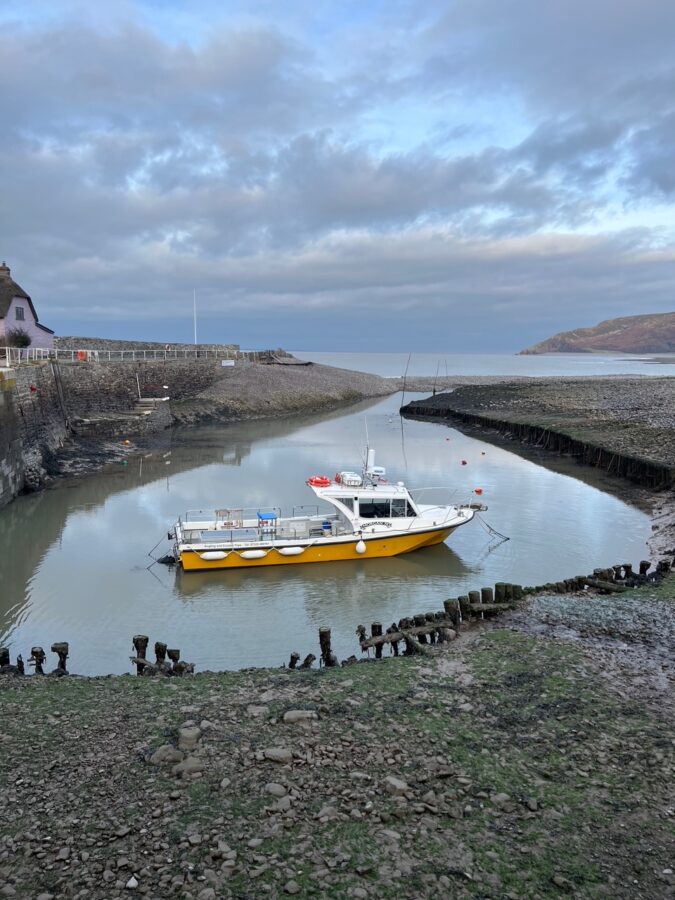
We’ve moved accommodation to the delightful, adults only (and well-behaved dogs) Porlock Weir Hotel in the quaint settlement by the shingle beach. After a superb breakfast of avocado, smashed peas and poached eggs on sourdough we motor over to Lynmouth.
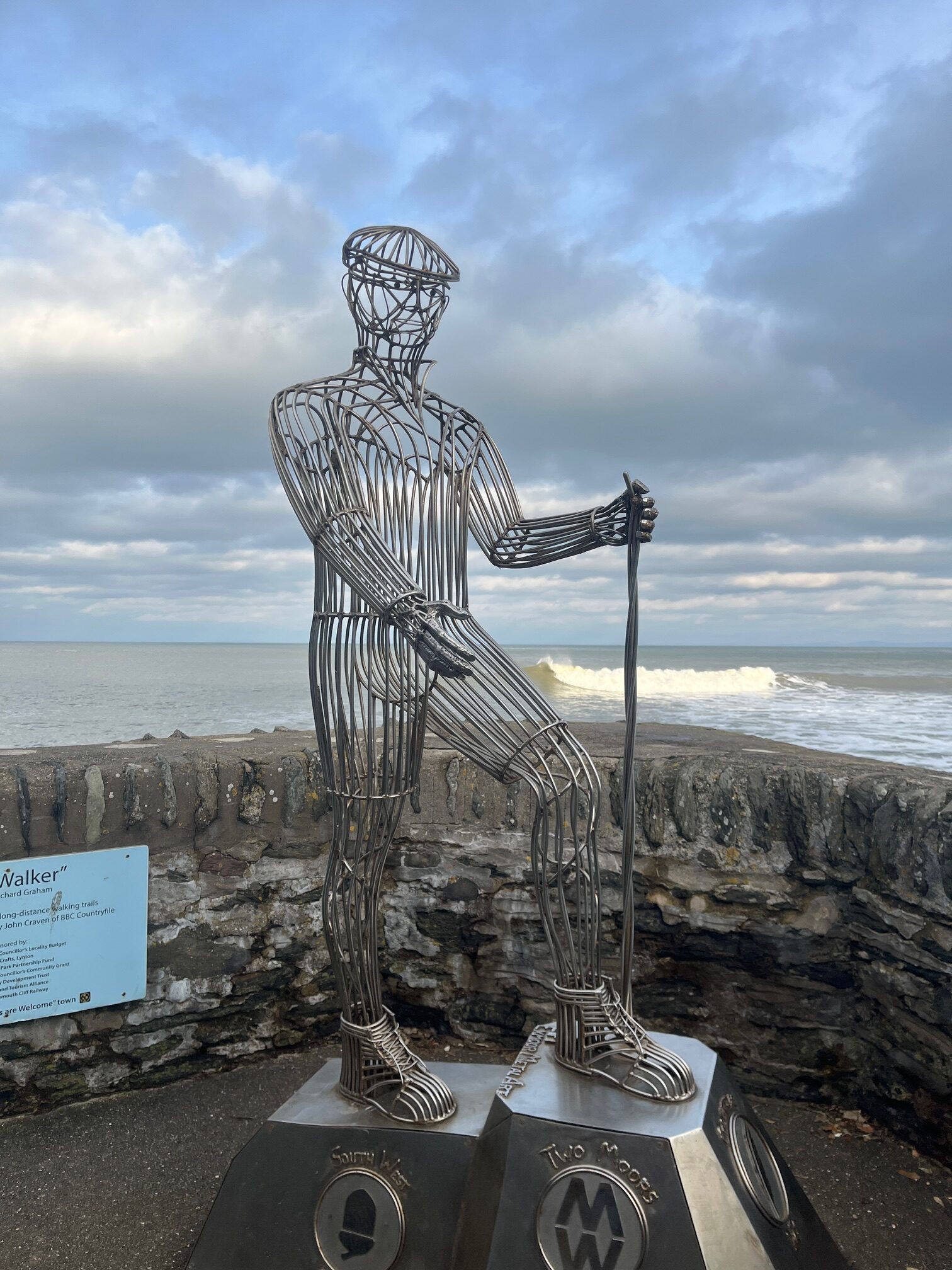
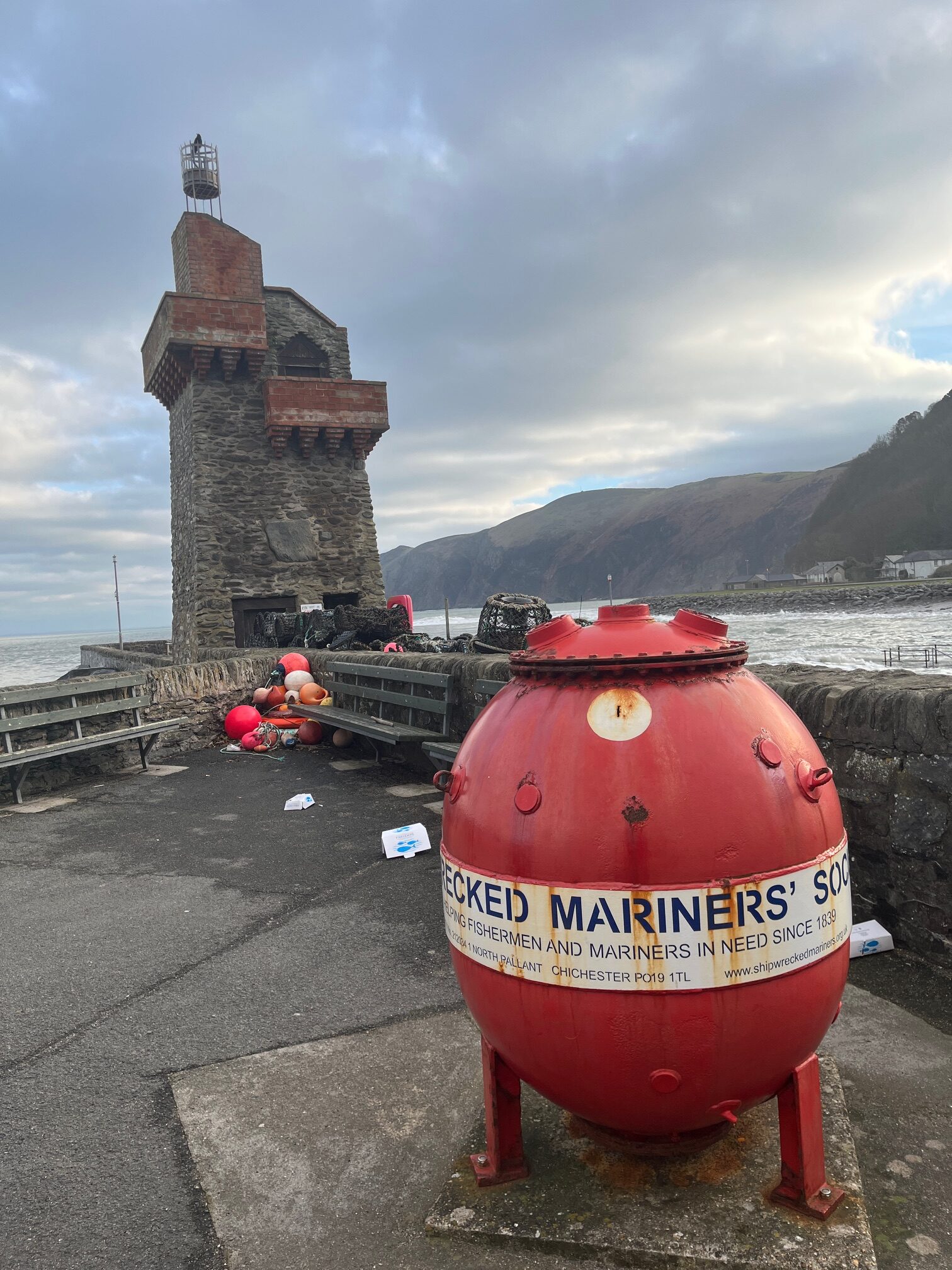
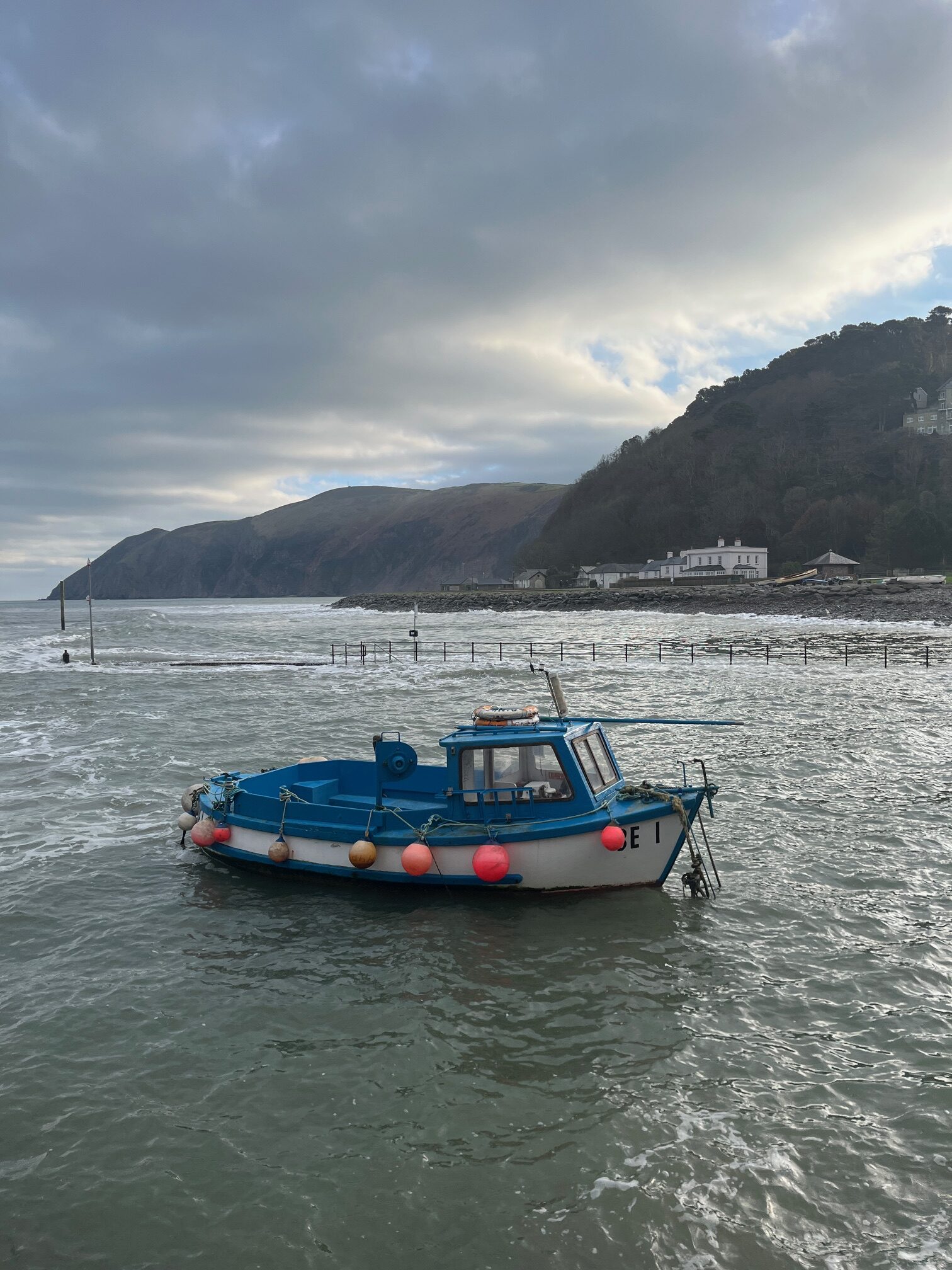
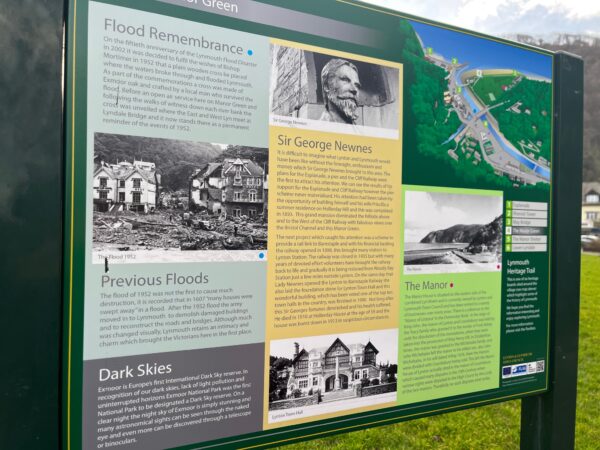
Parking our car perilously close to the high tide we wander passed the closed up shops and cliff railway, and over the fast flowing River Lyn. Boards tell us of the flood disaster in 1952, reminiscent of the events in Tintagel where we walked through 18 months ago.
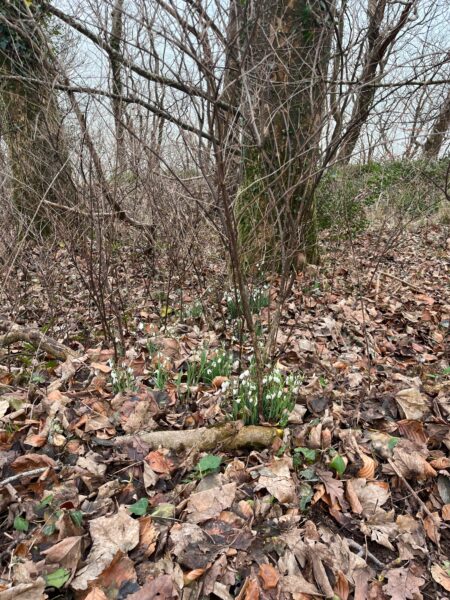
The path follows the beach for a short way then climbs steadily up as it clings to the edge of the Countisbury Hill road. The smell of wild garlic and sight of snowdrops peaking through the leaf litter feels very early, in contrast to our East Sussex woodlands.
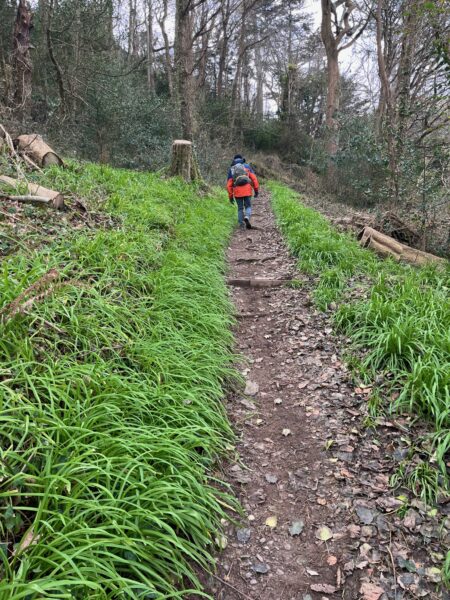
As the path leaves the road it becomes more open and very easy going with short grass underfoot. We see just three people on this first section and in fact for most of the day.
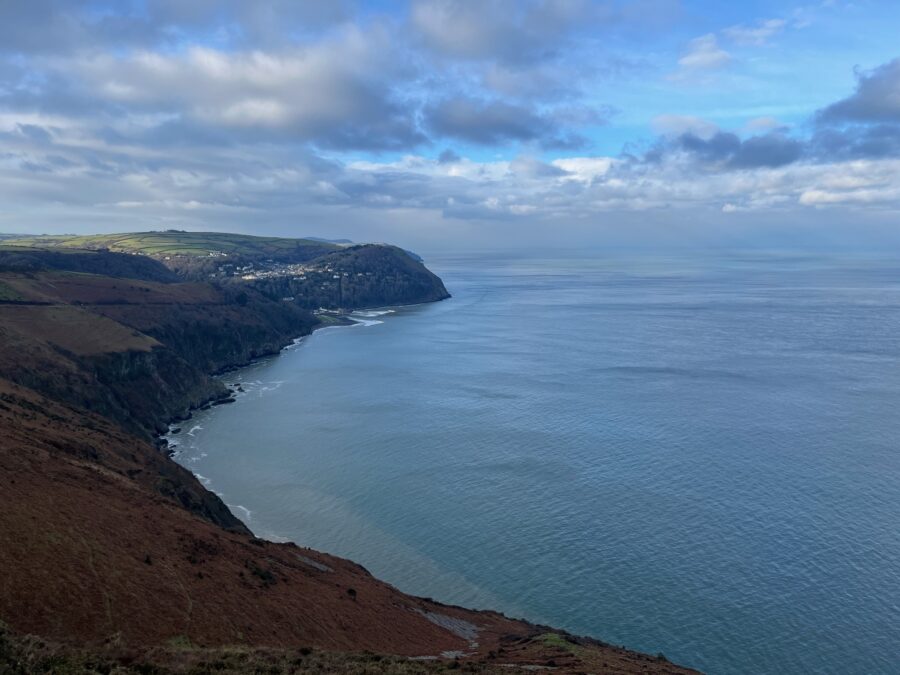
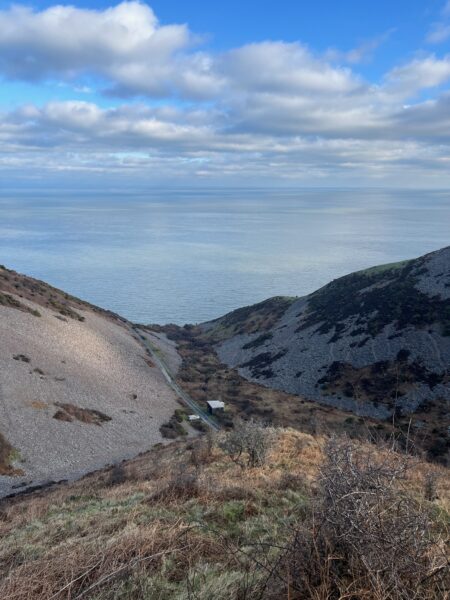
The view back towards Lynton and Lynmouth couldn’t be more stunning – blue sky with puffy clouds melding into the horizon over the still sea. The valley just past Foreland Point, known as Coddow Combe is mostly shale with pockets of low lying flora. We can see a car parked beside a modern looking wooden clad single storey hut nestled in the valley below us, a tarmacked road lead out to the lighthouse, just out of sight.
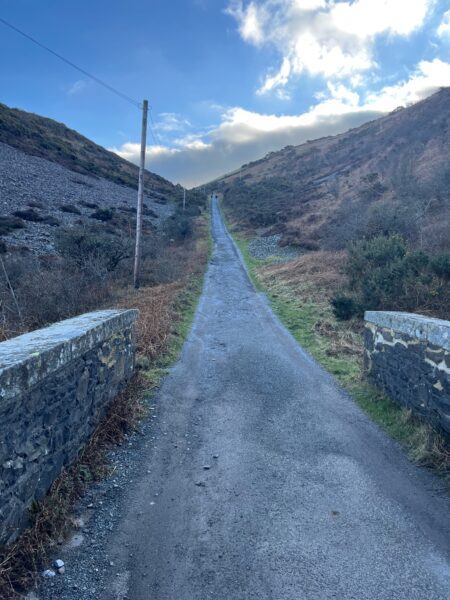
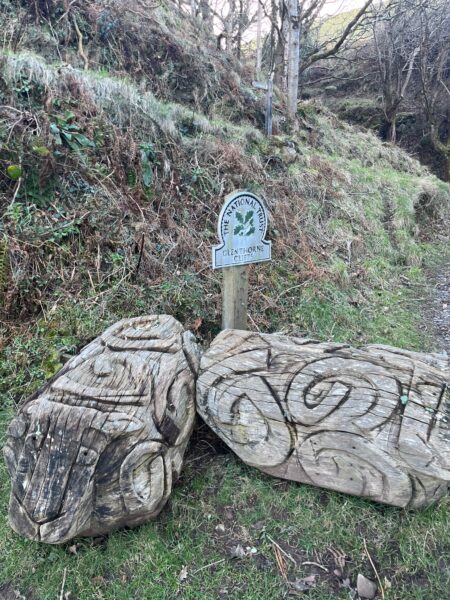
We embark on the steep road out of the valley feeling like we are on an American film set, with the shale, scrub and solitary telegraph cable overhead. At the top the National Trust welcomes us with some carved wooden sheep to Glenthorne Cliffs.
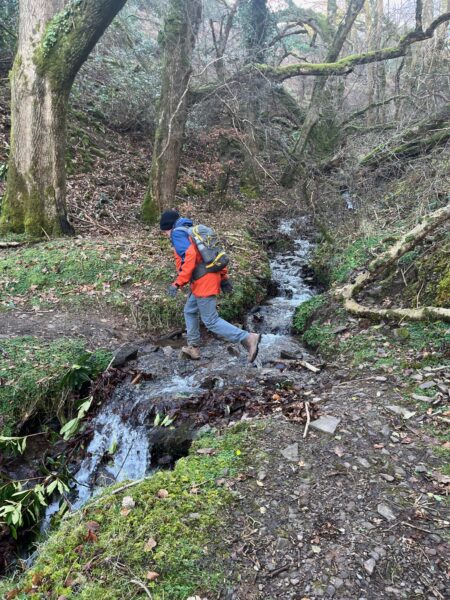
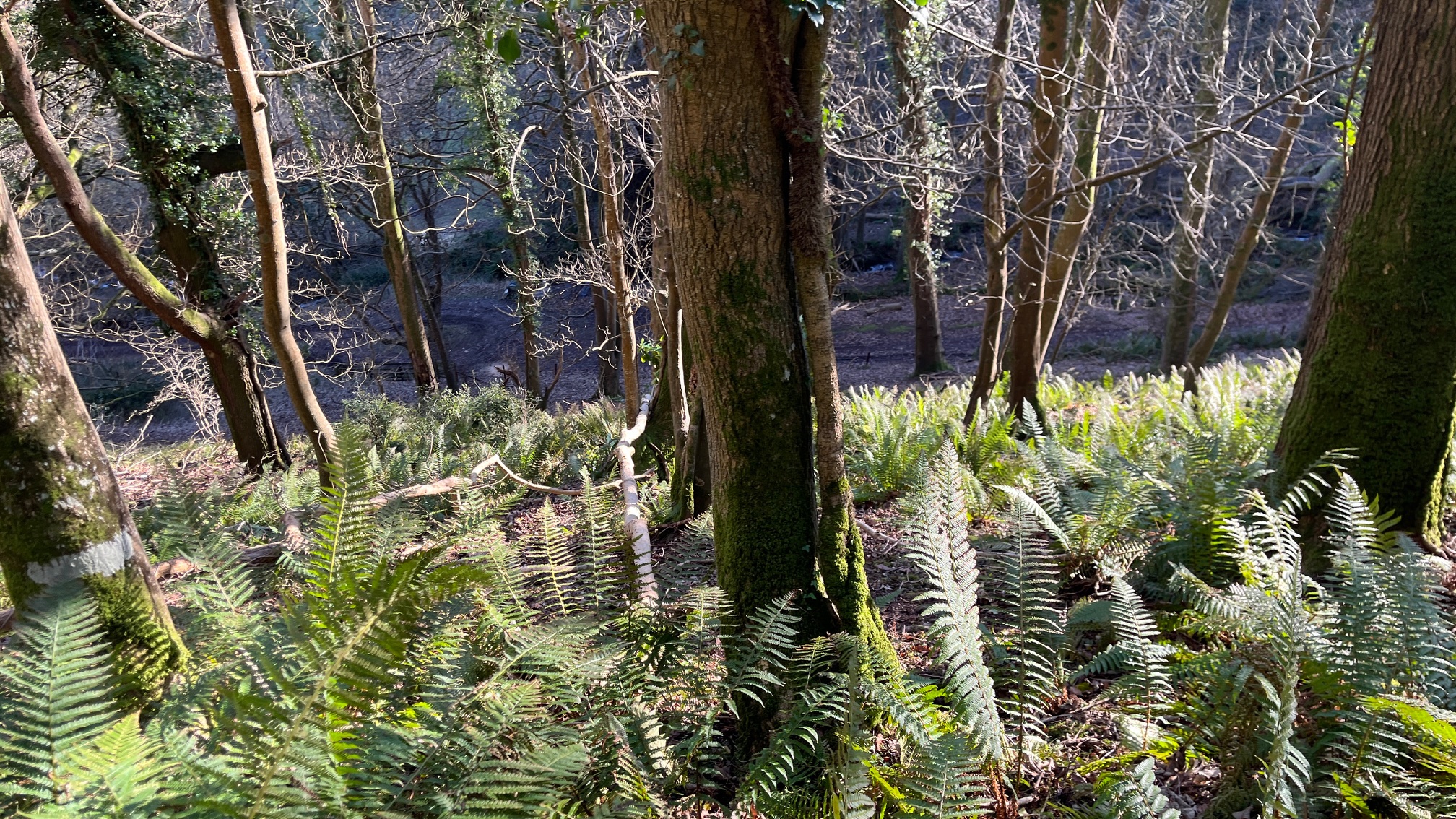
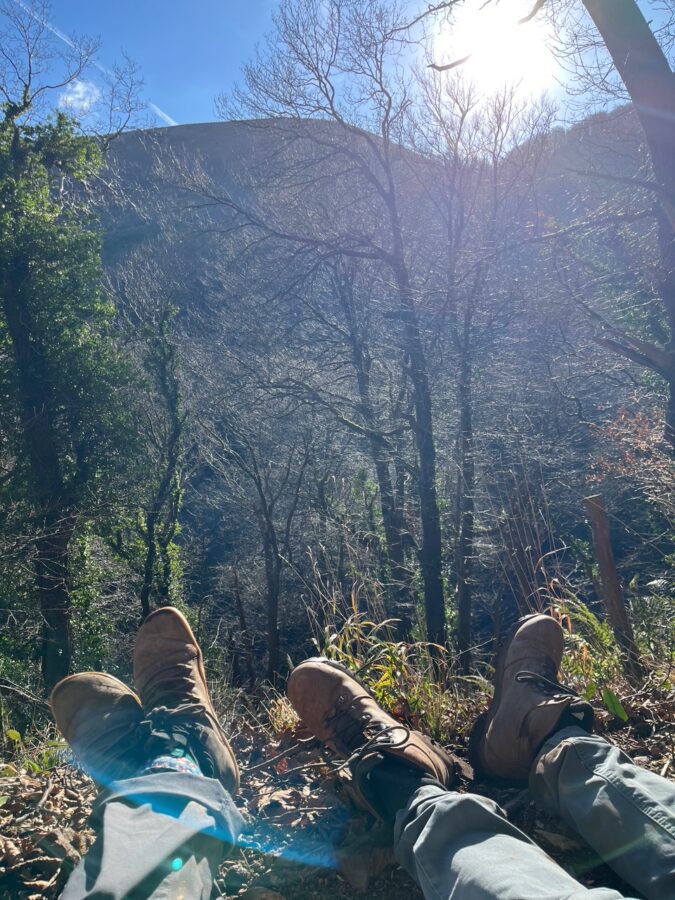
The path takes us well away from the coast through the woodlands around Home Farm. It’s a well-trodden path but at times there are signs of small landslides with many fallen trees now blanketed with moss and ferns and fast flowing water gushing through. We are wrapped up warm despite the sunshine, which is not quite reaching us on the side of the cliff but shining on the gorse and hills around us. Although we do find a spot in the woodland where we flop on the path for a picnic, the sun shining through the trees onto us.
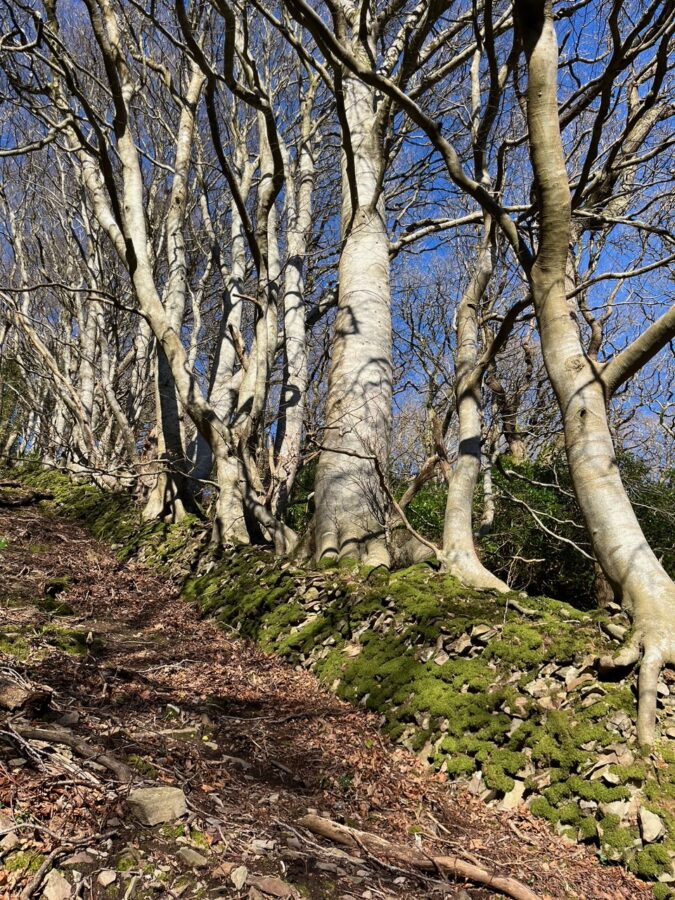
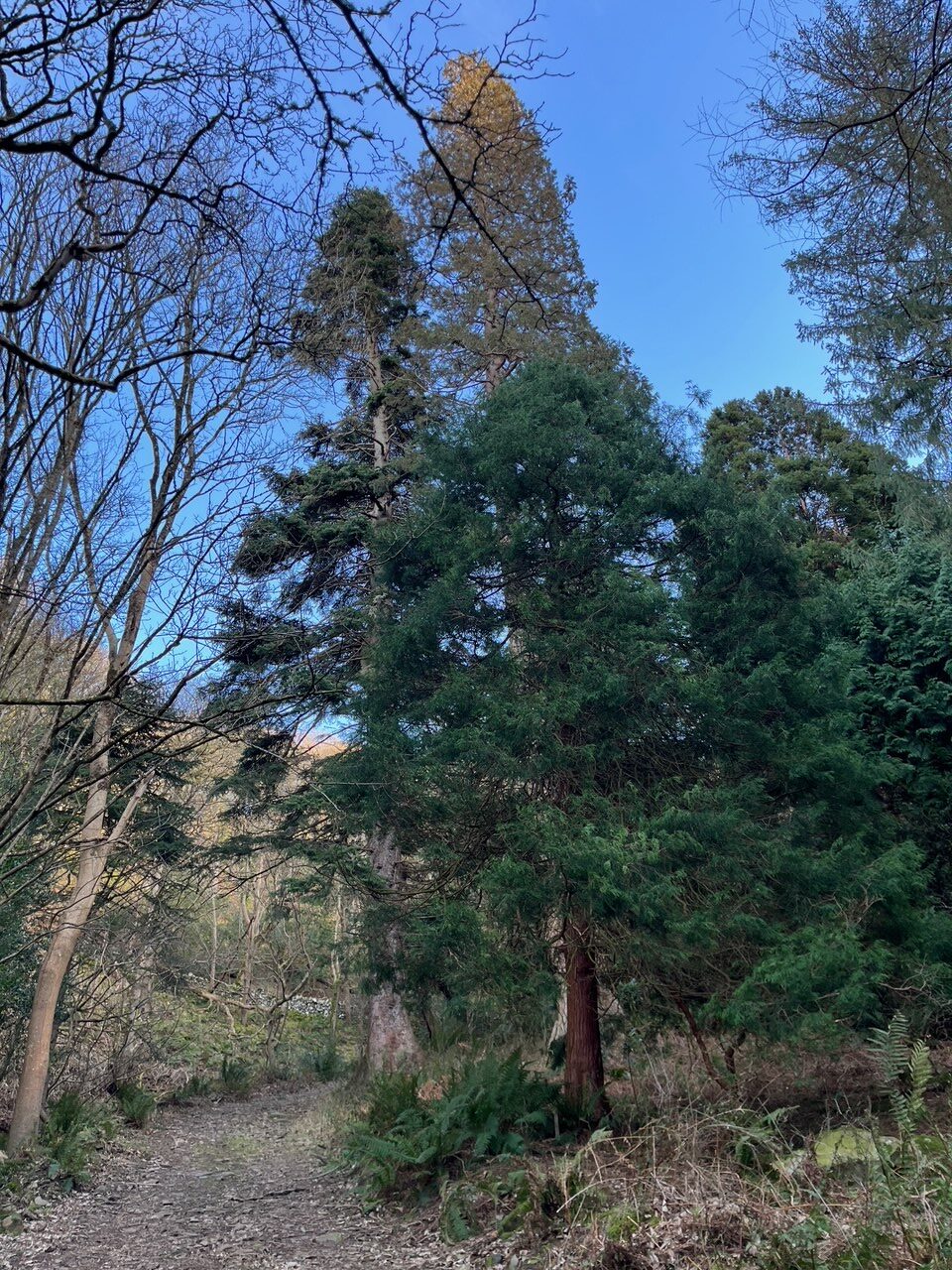
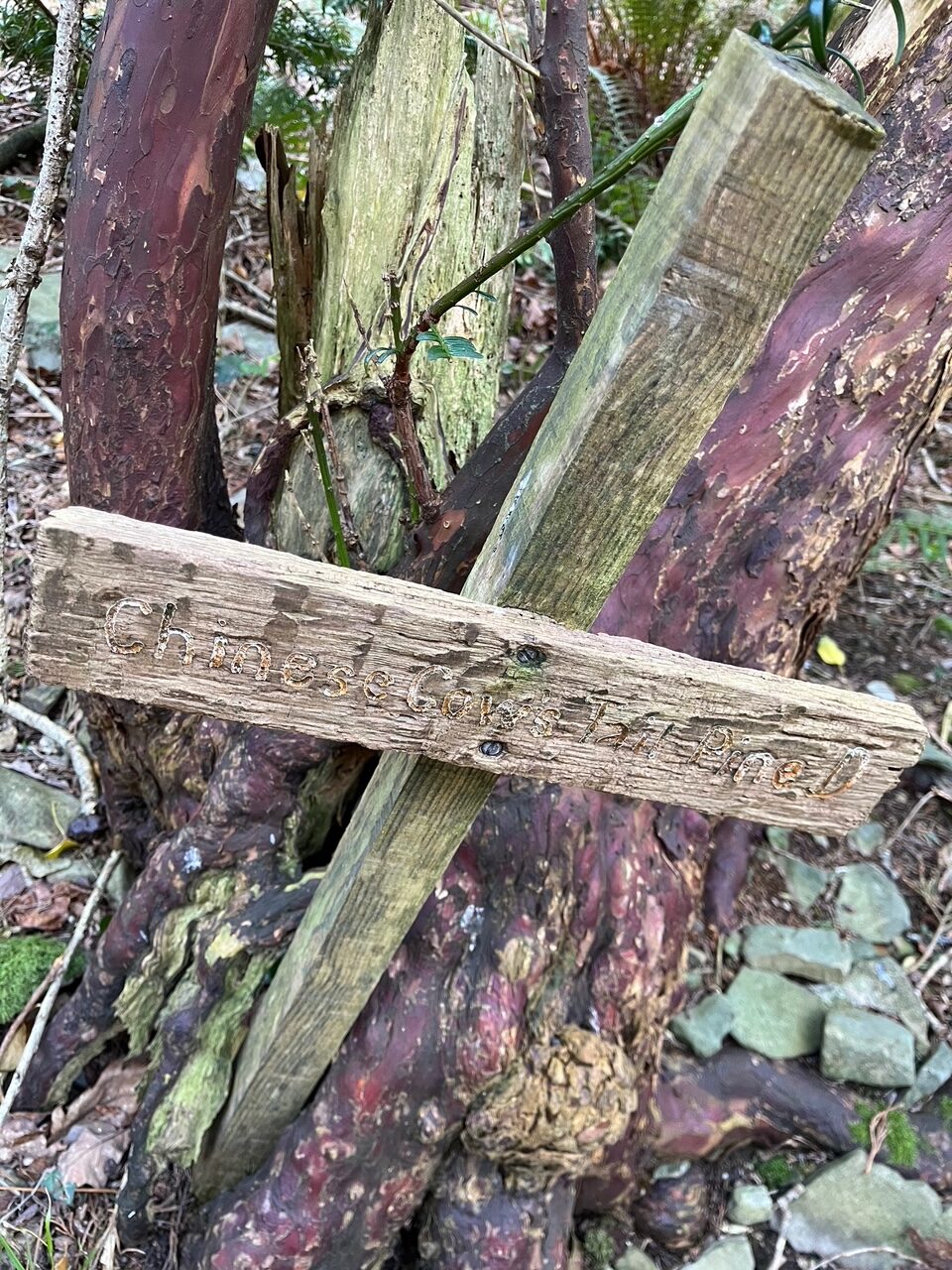
There are many signs of a great estate from years gone by – a stone built gatehouse, rows of beech trees marking a boundary, trout breeding pond, ice house and then to my upmost delight a mini pinetum. Several old, gnarled, yet beautiful conifers, including redwoods and cypresses and one that would have stumped me but for the old wooden sign saying “Chinese Cow’s Tail Pine”, which is in fact Cephalotaxus fortunei!
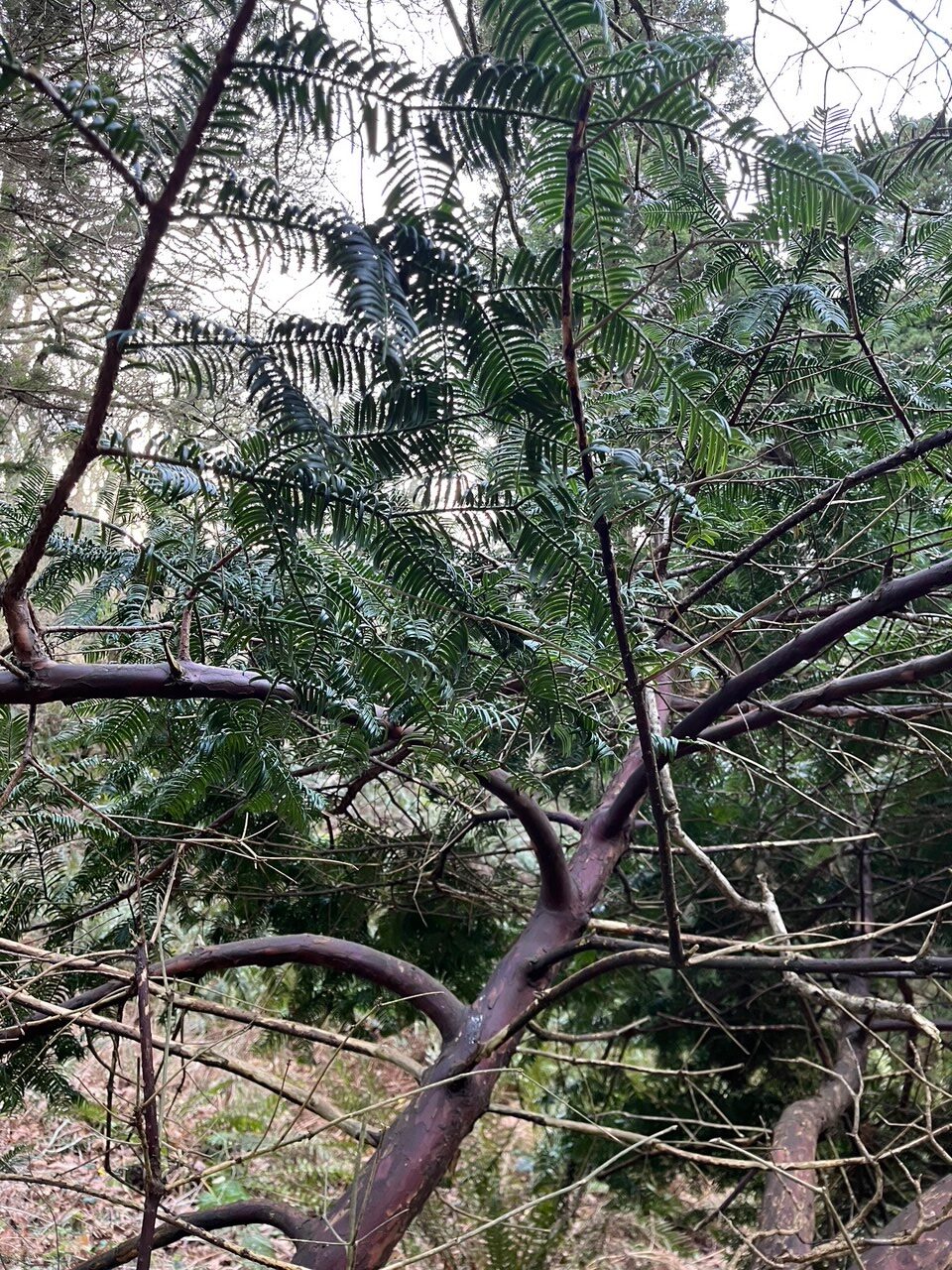
It takes around two hours to stomp the paths weaving through Yenworthy Wood, Embelle Wood, Culbone Wood and Yearnor Wood. It’s fairly easy going but a long way with many fast-flowing streams crossing our way.
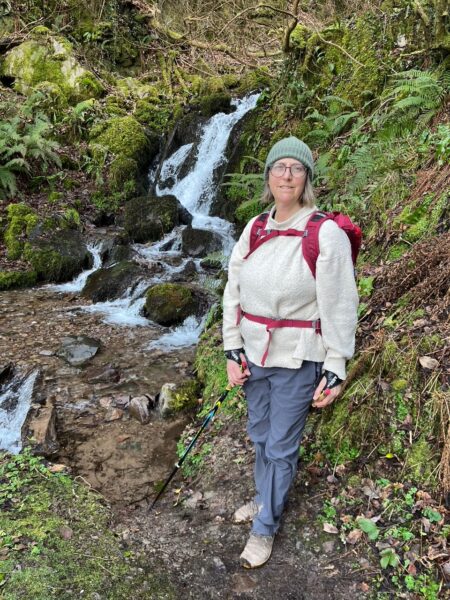
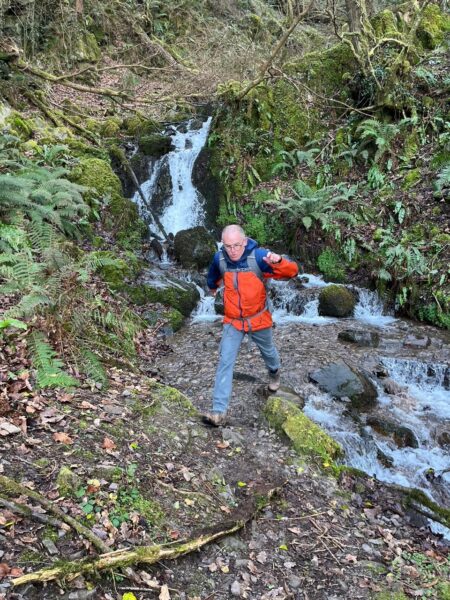
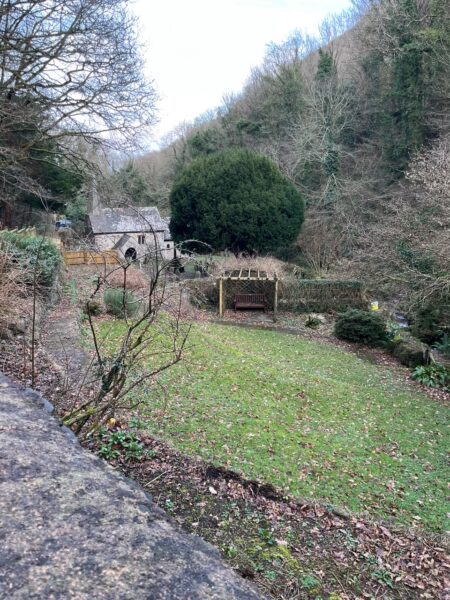
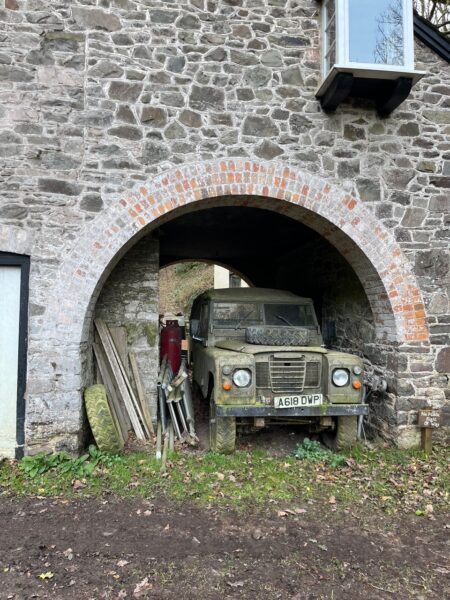
Civilisation finally appears in the form of Culbone Church – said to be the smallest parish church in England. It’s beautifully nestled in the valley, with its obligatory churchyard yew tree far wider and in fact taller than it’s cute little steeple. An intriguing stone dwelling bears an archway housing a long forgotten land rover.
I’m delighted to discover yet more statuesque conifer trees – pines and douglas fir as we near Porlock Weir.
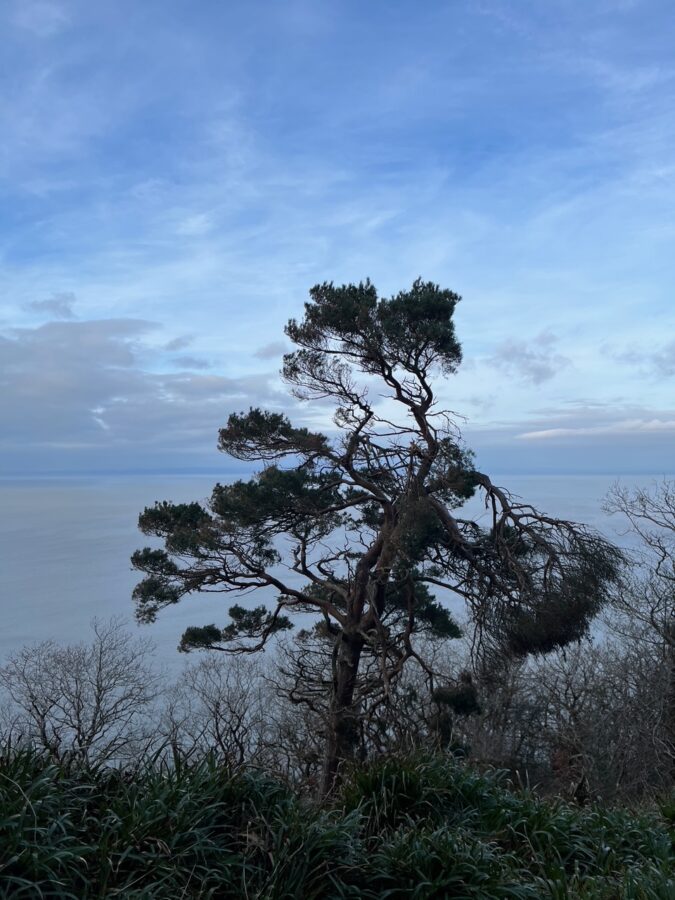
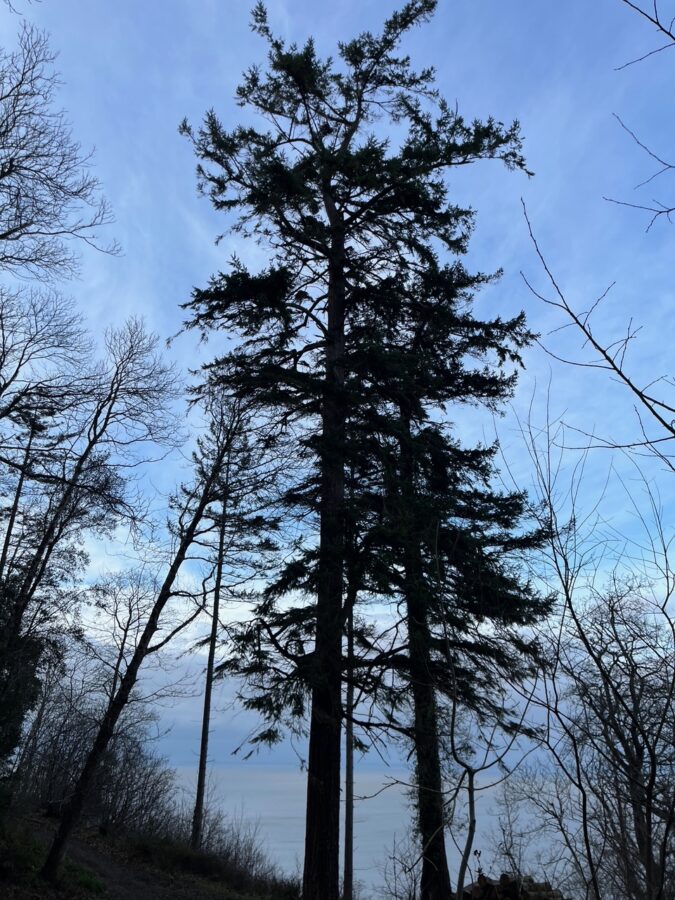
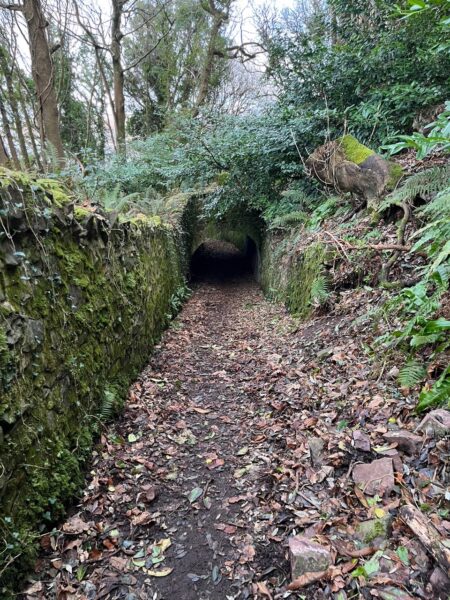
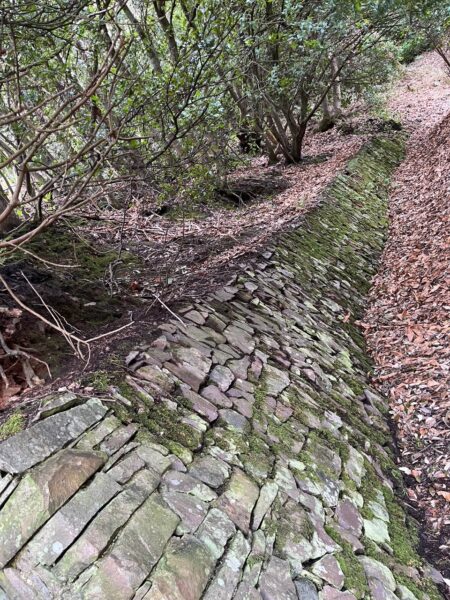
We follow a stone wall to where “Tunnels” are marked on the map. We are below the site of Ashley Combe, the summer residence of Ava Lovelace and her husband William King. According to this website (Ada Lovelace – Dovery Manor Museum) “William brought in conifers from his own Scottish estate and imported species plants and trees from around the world, to add to the native oaks and beech trees, to create what has been described as one of the first designed arboretums in England” . This explains the trees I discovered earlier on. Why the tunnels? Well they were built for tradesman to access the property and not disturb Ava and her family whilst holidaying at Ashley Combe. They are now fenced off, with ivy and tree saplings creepingin and trees toppling over the walls.
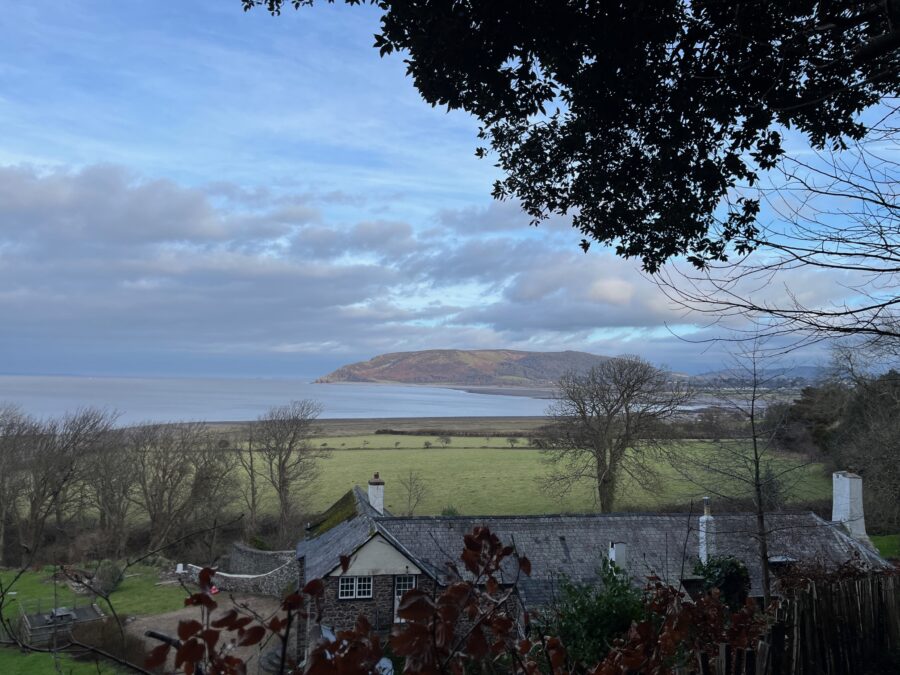
We finally emerge above Porlock Weir with a fabulous view of the bay and Hurlestone Point in the distance.
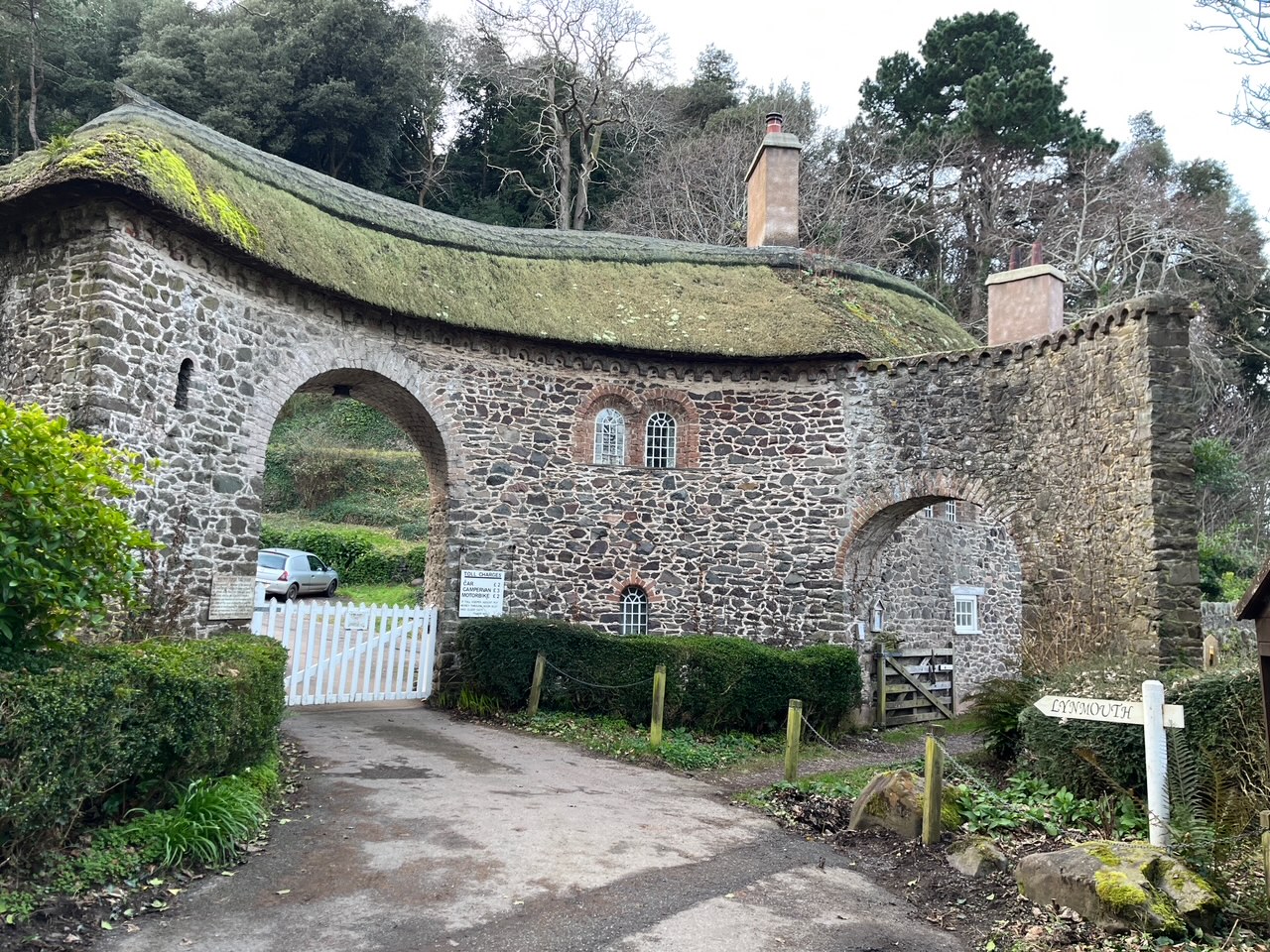
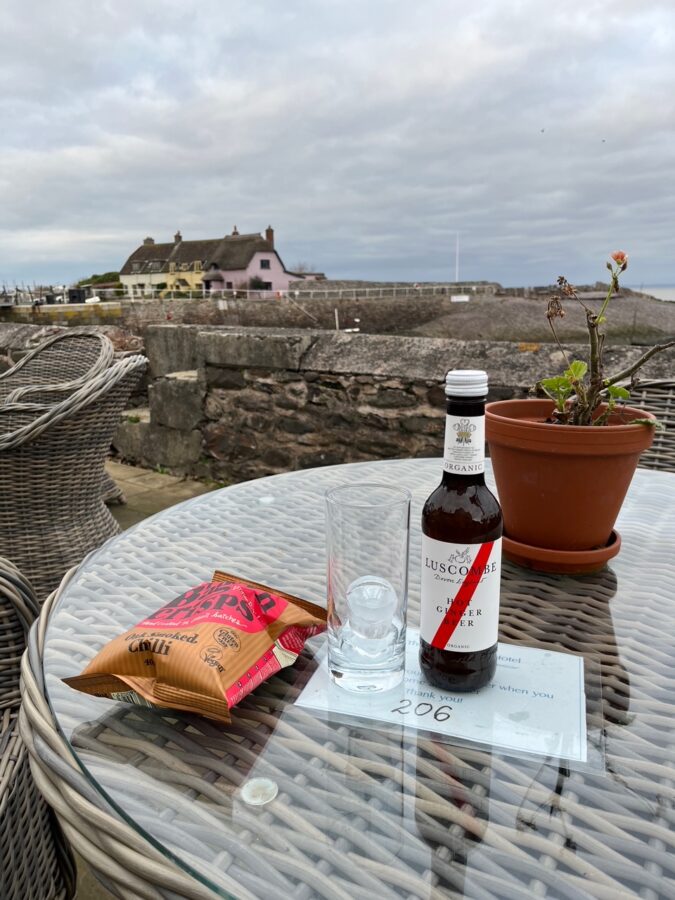
A curved stone gate house with a thatched roof marks the start of the Worthy Toll Road – £2 per car with an honesty box if the toll keeper is absent. We follow the narrow road and footpath into the village for a well=earned drink before the sun goes down and our second night at the Porlock Weir Hotel.
Leave A Comment